Household cleaning often involves harsh chemicals that leave strong smells, residue on surfaces, and concerns about safety around children or pets, but switching to eco-friendly products allows families to maintain spotless homes without compromising air quality or long-term health. Many people struggle to find reliable green cleaners that actually work on everyday messes like kitchen grease, bathroom grime, or laundry stains, leading to frustration with ineffective options or a return to traditional formulas. This Alex Top Finds guide highlights practical, plant-based cleaning products that deliver strong results using natural ingredients such as vinegar, baking soda, citric acid, and essential oils, helping beginners build a complete, budget-friendly kit for weekly cleaning routines while ensuring surfaces stay safe for direct contact during meals, playtime, or relaxation. These selections prioritize effectiveness, ease of use, and minimal environmental impact, making it simple to transition without sacrificing cleanliness standards in busy households.
All-Purpose Sprays for Daily Surfaces
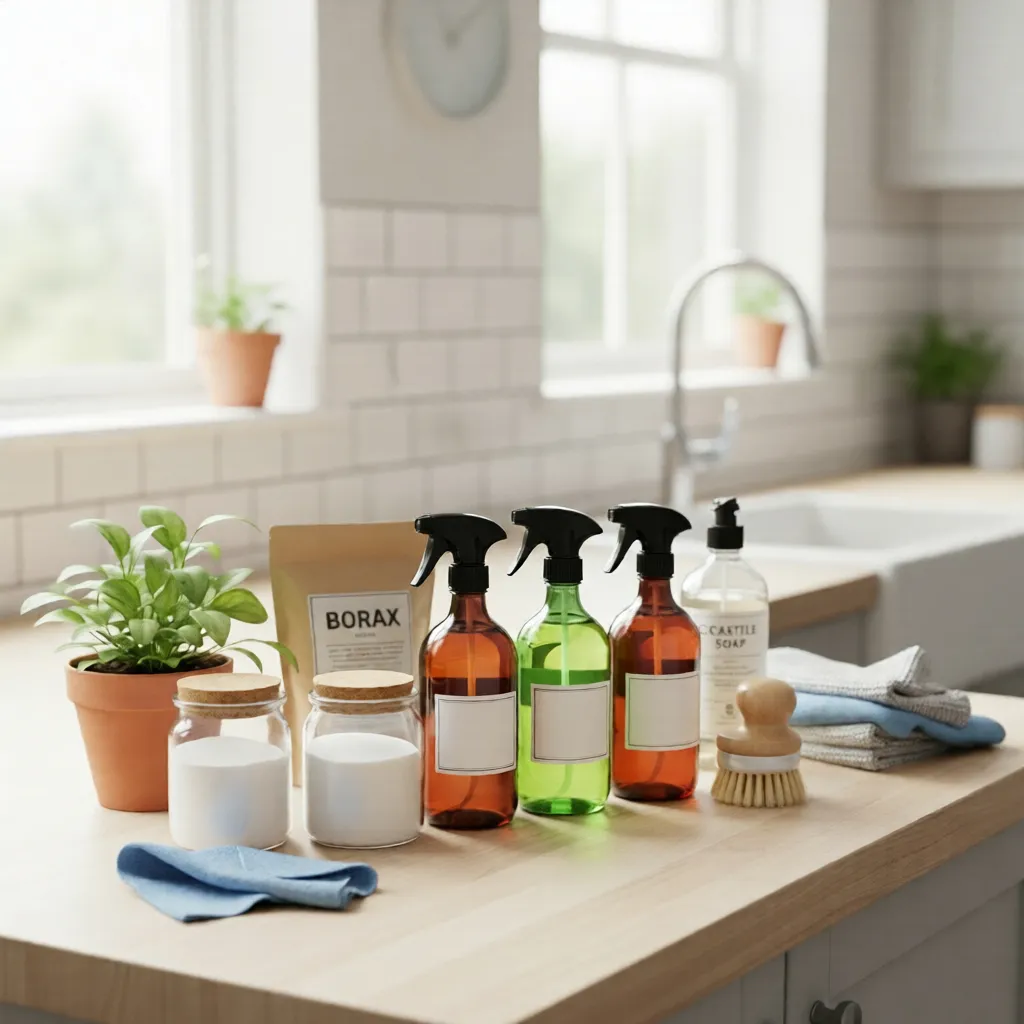
An all-purpose spray made with vinegar, water, and mild soap tackles countertops, tables, appliances, and floors without streaking or harsh fumes. It cuts through fingerprints, spills, and light dust effectively when sprayed and wiped with a microfiber cloth, refreshing kitchens and living areas multiple times a day. Look for versions with added lemon or tea tree scents for a natural freshness that lingers without overpowering the room.
Natural Scrubs for Tough Kitchen Grease
Baking soda-based scrubs handle stuck-on food, pots, pans, and oven trays by forming a gentle abrasive paste when mixed with water or dish soap. Apply, let sit for 10-15 minutes to loosen buildup, then scrub lightly and rinse for sparkling results without scratching surfaces. This method works reliably on stainless steel, ceramic, and glass, keeping cooking areas hygienic for family meals.
Bathroom Cleaners with Citric Acid
Citric acid powders or sprays dissolve limescale, soap scum, and mineral deposits in showers, sinks, and toilets when dissolved in warm water. Spray liberally, wait 5-10 minutes, and brush away residue for a fresh, non-slippery finish that prevents mold growth in humid spaces. Pair with a natural brush for corners and drains to maintain sparkle without chemical burns or ventilation needs.
Eco Laundry Boosters and Softeners
White vinegar acts as a fabric softener and deodorizer, added to the rinse cycle to remove odors and residue from clothes, towels, and bedding. Borax or washing soda enhances detergent power for whites and colors, lifting stains from collars, socks, and kitchen cloths without fading fabrics. Use in cold water cycles to save energy while achieving softer, cleaner loads suitable for daily wear.
Glass and Mirror Wipes
A mix of rubbing alcohol, water, and cornstarch in a spray bottle polishes windows, mirrors, and glass tables to a streak-free shine. Wipe with newspaper or lint-free cloths for clarity without paper towel waste, ideal for high-touch areas like entry doors and bathroom fixtures. This formula dries quickly, leaving no haze even in direct sunlight.
Floor Cleaners for Hard Surfaces
Diluted castile soap or hydrogen peroxide solutions clean tile, hardwood, and laminate floors by lifting dirt without sticky buildup. Mop with a damp cloth, avoiding excess liquid to protect wood grains and prevent slips in family rooms or hallways. Refresh weekly for maintained traction and appearance under furniture or high-traffic paths.
Stain Removers for Fabrics and Carpets
Hydrogen peroxide treats fresh stains on upholstery, rugs, and clothing by bubbling out spills before they set into fibers. Dab gently with a cloth after application, then rinse or vacuum for restored freshness without bleach damage. Baking soda sprinkled overnight absorbs odors from shoes, pet areas, or spills, vacuumed away the next day.
Disinfecting Sprays with Essential Oils
Tea tree or eucalyptus oil in water creates a natural antimicrobial spray for doorknobs, switches, and toys, reducing germs safely. Mist lightly and let air dry to avoid wiping residue, effective for high-contact spots in shared homes. Rotate oils for varied scents while maintaining consistent cleanliness.
Storage and Usage Tips for Longevity
Store products in labeled glass spray bottles or jars in a cool pantry, away from sunlight to preserve potency over months. Mix fresh batches weekly for best results, reusing containers to minimize plastic waste. Test on small areas first to ensure colorfastness on fabrics or finishes.