Quality sleep starts with the right pillow, yet many people wake up with neck stiffness, headaches, or restless tossing because their pillows have lost shape, feel too firm, or fail to support natural spine alignment during 7-8 hours of nightly rest. Selecting comfortable, durable pillows transforms bedtime routines for side sleepers, back sleepers, and combination positions, suiting apartments, family beds, or guest rooms where shared spaces demand versatile, low-maintenance options that last 1-2 years without flattening or causing allergies. This Alex Top Finds guide walks beginners through essential factors like fill materials, loft heights, cover fabrics, and trial tips, ensuring picks match body types from petite to larger frames while prioritizing breathability, hypoallergenic builds, and machine-washable designs for weekly refreshes in busy households. By focusing on supportive contours that cradle heads without overheating or bunching, readers achieve deeper rest phases, reduced morning aches, and refreshed linens that stay fresh through seasons, making pillow upgrades a simple investment in daily energy and comfort without specialized knowledge or high costs.
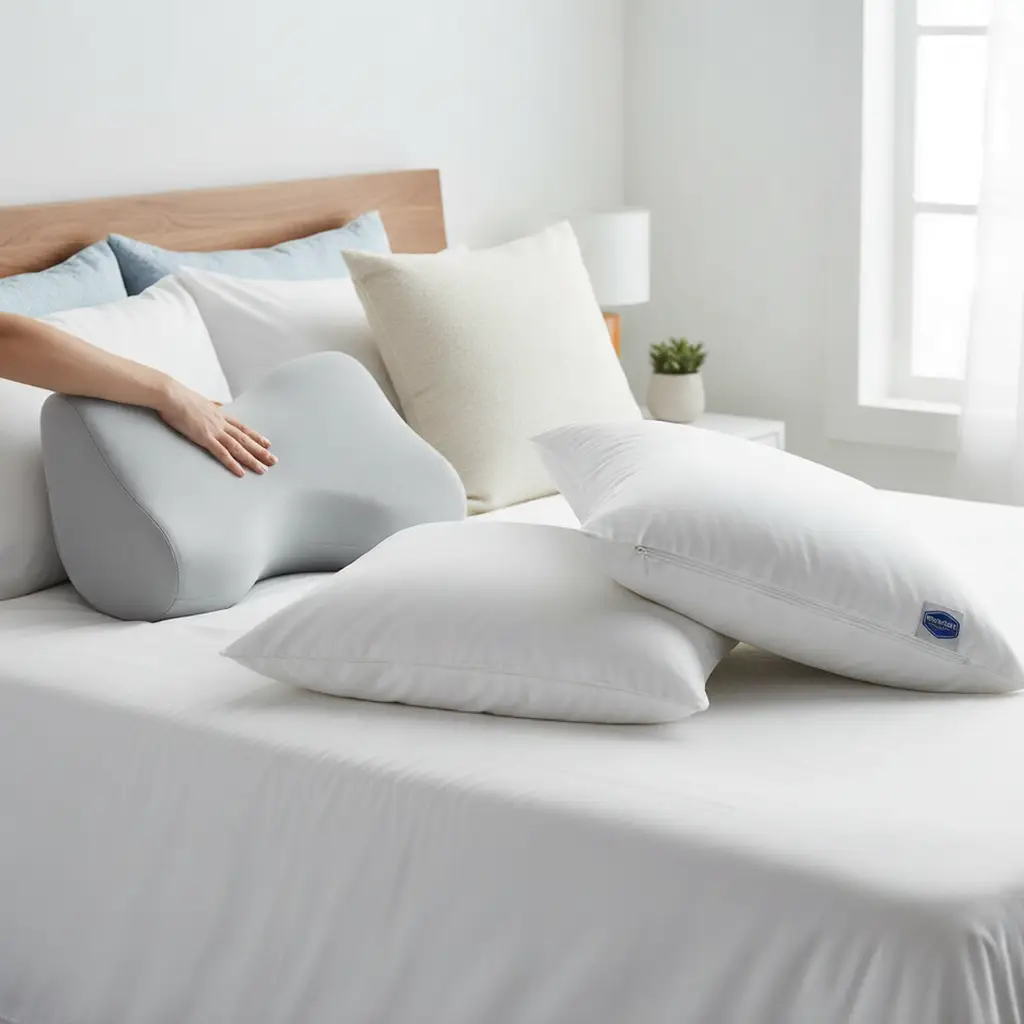
Fill Materials for Support and Longevity
Down and feather blends offer plush conformity for side sleepers, molding around shoulders while compressing minimally over months for sustained loft. Memory foam contours precisely to neck curves, resisting flattening under 50-70 kg weights nightly. Latex provides buoyant resilience, bouncing back fully after use for back sleepers preferring firmer cradles.
Loft Height Matching Sleep Position
Medium 10-15 cm lofts suit back sleepers, filling neck gaps without elevating heads excessively. High 15-20 cm profiles support side sleepers’ shoulder distances, preventing spinal twists. Low 7-10 cm options work for stomach positions, minimizing forward strain on necks.
Cover Fabrics for Breathability
Cotton sateen envelopes wick moisture effectively, staying cool in warm climates or summer nights. Bamboo viscose regulates humidity naturally, resisting dust mites for allergy-prone users. Tencel blends dry quickly post-wash, pairing with zippers for easy fill refreshes.
Firmness Levels for Body Types
Soft fills cradle lighter frames under 60 kg, while medium-firm balances average adults at 60-90 kg. Extra-firm suits heavier builds over 90 kg, maintaining shape through thousands of nightly compressions without bottoming out.
Hypoallergenic and Trial Features
CertiPUR-US certified foams eliminate off-gassing odors, safe for nurseries or sensitive sinuses. 100-night trials allow position testing, with free returns easing commitments. Removable covers enable spot treatments between full washes.
Shape Options for Specialized Needs
Contour pillows with cervical rolls align spines precisely, ideal for desk workers combating forward head posture. Wedge styles elevate upper bodies for reading or acid reflux relief without propping extras. Shredded fills permit fluffing adjustments nightly.
Size Standards for Bed Compatibility
Standard 50×70 cm fits single or queen pillows, pairing universally with cases. Queen 50×80 cm maximizes king beds, while body pillows at 50×150 cm hug full torsos for pregnancy or side support.
Machine Wash and Care Routines
Down-alternatives tumble dry low with tennis balls restoring fluff, completing cycles in 2 hours weekly. Foam cores air out daily, spot-cleaned without soaking to preserve integrity over years.
Budget Tiers and Value Picks
Entry 20-40 units deliver core support reliably, mid-range 50-80 adds cooling gels. Per-night costs drop below 0.10 over 2 years, favoring warranties against defects.
Rotation and Replacement Signs
Flip biweekly, replacing when central dips exceed 2 cm or lumps form after fluffing. Annual inspections catch early wear, sustaining comfort spans.