Dreaming of your own cozy reading nook filled with books that inspire, educate, and entertain, but worried about the costs? Building a small home library doesn’t require a fortune or a massive space—it’s achievable through smart planning, resourcefulness, and a passion for literature. Whether you’re in a compact apartment or a modest home, this guide reveals practical steps to curate an impressive collection without breaking the bank. Start by assessing your available space, such as a corner shelf or underutilized wall, and envision multifunctional furniture that doubles as storage. Focus on timeless genres like classics, self-help, and thrillers that offer endless value. Discover thrift stores, library sales, digital alternatives, and community swaps to source hundreds of volumes affordably. Transform any room into a sanctuary that boosts your well-being, sharpens your mind, and sparks joy daily. With these strategies, your library becomes a personal treasure trove reflecting your unique tastes and lifestyle.
Assess Your Space and Needs
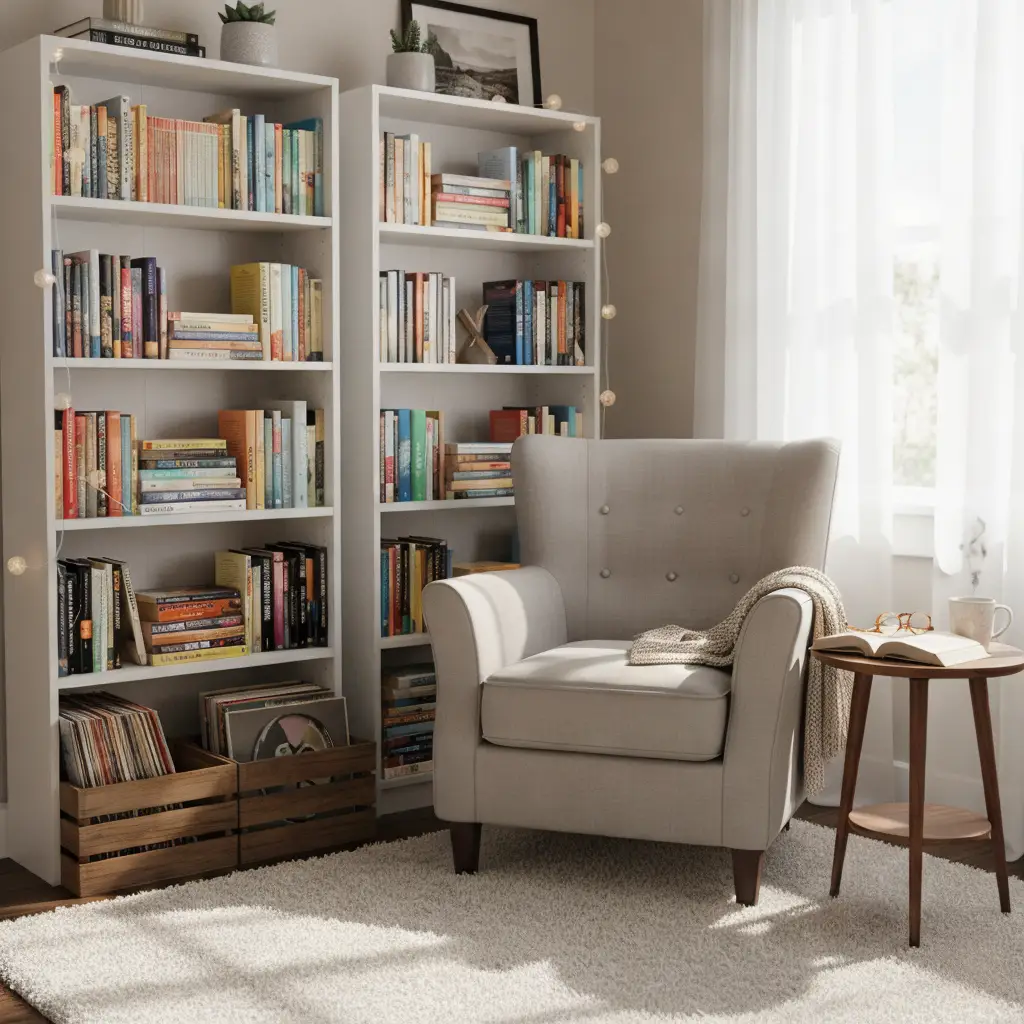
Determine the size of your library area first, measuring walls or corners to fit shelves without crowding living spaces. Opt for vertical storage like tall, narrow bookcases from budget retailers such as IKEA or local markets, which maximize floor space in small homes. Consider your reading habits—do you prefer fiction, non-fiction, or a mix?—to prioritize categories and avoid clutter from irrelevant books.
Multi-purpose units like ottomans with hidden shelves or wall-mounted floating shelves save money and add style. Ensure good lighting with affordable LED lamps to prevent eye strain during late-night reads. Ventilation matters too; place near windows to protect books from humidity damage.
Budgeting Essentials
Set a realistic monthly budget, starting at $20-50, allocating funds across new, used, and free sources. Track expenses using free apps like Mint to stay disciplined and scale up gradually. Prioritize quality over quantity by investing in durable shelves first, then filling them thoughtfully.
Calculate long-term savings: buying used saves 70-90% versus retail prices. Factor in maintenance costs like book covers or dehumidifiers for longevity. Adjust based on income fluctuations, aiming for sustainability over speed.
Affordable Sourcing Strategies
Visit thrift stores, garage sales, and library book sales where paperbacks cost under $1 and hardcovers $2-5. Apps like OfferUp or Facebook Marketplace connect you with local sellers offering bulk lots for negotiation. Join book swap groups on Reddit or neighborhood apps to exchange reads at zero cost.
Online platforms like BookOutlet or ThriftBooks deliver deals with free shipping thresholds. Explore Little Free Libraries in your community for free pickups and drop-offs, fostering a giving-back ethos. Attend estate sales for rare finds at fraction-of-original prices.
Essential Furniture Picks
Choose IKEA Billy bookcases for adjustability and affordability, starting at $30, customizable with doors to deter dust. Ladder shelves offer stylish verticality for tight spaces, often under $100 on Amazon basics. Repurpose ladders or crates painted fresh for DIY charm at minimal expense.
Floating wall shelves from hardware stores cost $10-20 each, ideal for renters avoiding floor damage. Modular cubes like Target’s Room Essentials allow reconfiguration as your collection grows. Always verify weight capacity for heavy hardcovers.
Organizing Like a Pro
Categorize by genre, author, or color using labels from dollar stores for quick access. Employ the KonMari method: keep only joy-sparking books, donating the rest to maintain order. Vertical stacking with bookends—DIY from bricks and boards—prevents toppling and displays covers attractively.
Incorporate baskets for magazines or children’s books on lower shelves. Digital catalogs via apps like Libib track your inventory for free. Regular decluttering every six months keeps the space inviting and efficient.
Lighting and Ambiance Boosts
Install clamp-on LED reading lamps for $15, providing focused light without wiring hassles. String fairy lights or thrift vintage lamps for cozy glow, enhancing the retreat feel at under $10. Natural light filters through sheer curtains protect pages from fading.
Smart bulbs on timers automate evening ambiance, saving energy. Pair with floor cushions or bean bags for comfortable seating without big spends.
Digital Complements
Supplement physical books with free Kindle Unlimited trials or Libby app for library e-books. Project Gutenberg offers 60,000+ public domain classics downloadable at no charge. Audiobooks via Spotify or YouTube channels fill commutes without shelf space needs.
Hybrid setups blend print and digital: use tablets on stands mimicking books. Track reading goals with Goodreads for motivation and community tips.
Maintenance for Longevity
Dust shelves bi-weekly with microfiber cloths; avoid feather dusters that scatter particles. Store in stable temperatures (60-70°F) away from direct sun or heaters. Acid-free boxes for rare volumes cost $1 each from office supply shops.
Rotate books to prevent spine wear; use Mylar covers for protection. Annual deep cleans with compressed air keep pages crisp.
Community and Expansion Tips
Join local book clubs via Meetup for shared purchases and recommendations. Participate in buy-nothing groups for free hauls. Host reading swaps to refresh stock without spending.
Scale by themes: start with 50 books, add quarterly. Track progress photos for motivation.
Creative DIY Projects
Build pallet shelves for rustic appeal using free pallets from stores, sanded and sealed for $20. Wallpaper backs of shelves with peel-and-stick for pop without commitment. Custom signs via Cricut knockoffs proclaim “Alex Top Finds Library.”
Repurpose old doors as headboards with shelves below. These projects personalize while slashing costs.
Maximizing Small Spaces
Use door-hung organizers for paperbacks in hallways. Corner carousels spin for easy access in tight spots. Under-bed drawers house overflow seasonally.
Mirror-backed shelves create illusion of depth. Fold-down desks double as reading nooks.
Themed Collection Ideas
Curate budget themes like “Minimalist Must-Reads” with 20 under-$5 classics. “Self-Growth Shelf” features free PDFs printed affordably. “Travel Escapes” via swapped paperbacks evokes wanderlust.
Mix eras: vintage finds pair with modern bestsellers for eclectic vibe.
Reading Routine Integration
Schedule 20-minute daily sessions to build habit without overwhelm. Pair with tea stations on side tables for ritual. Track via journals from dollar spots.
Family involvement expands collections through shared contributions.
Sustainability Angle
Prioritize secondhand to reduce environmental impact; one used book saves trees versus new print. Eco-friendly shelves from reclaimed wood align with green living. Donate discards to keep cycles going.
Digital minimizes paper use long-term.
Troubleshooting Common Issues
Overcrowding? Prioritize and box extras. Dust buildup? Microfiber and fans help. Budget slips? Pause buys, swap instead.
Motivation dips? Theme refreshes reignite passion.
Building your small home library on a budget transforms ordinary spaces into extraordinary havens. Embrace these steps for a collection that grows with you, delivering years of enrichment. Alex Top Finds celebrates smart, accessible home upgrades like this—stay tuned for more.