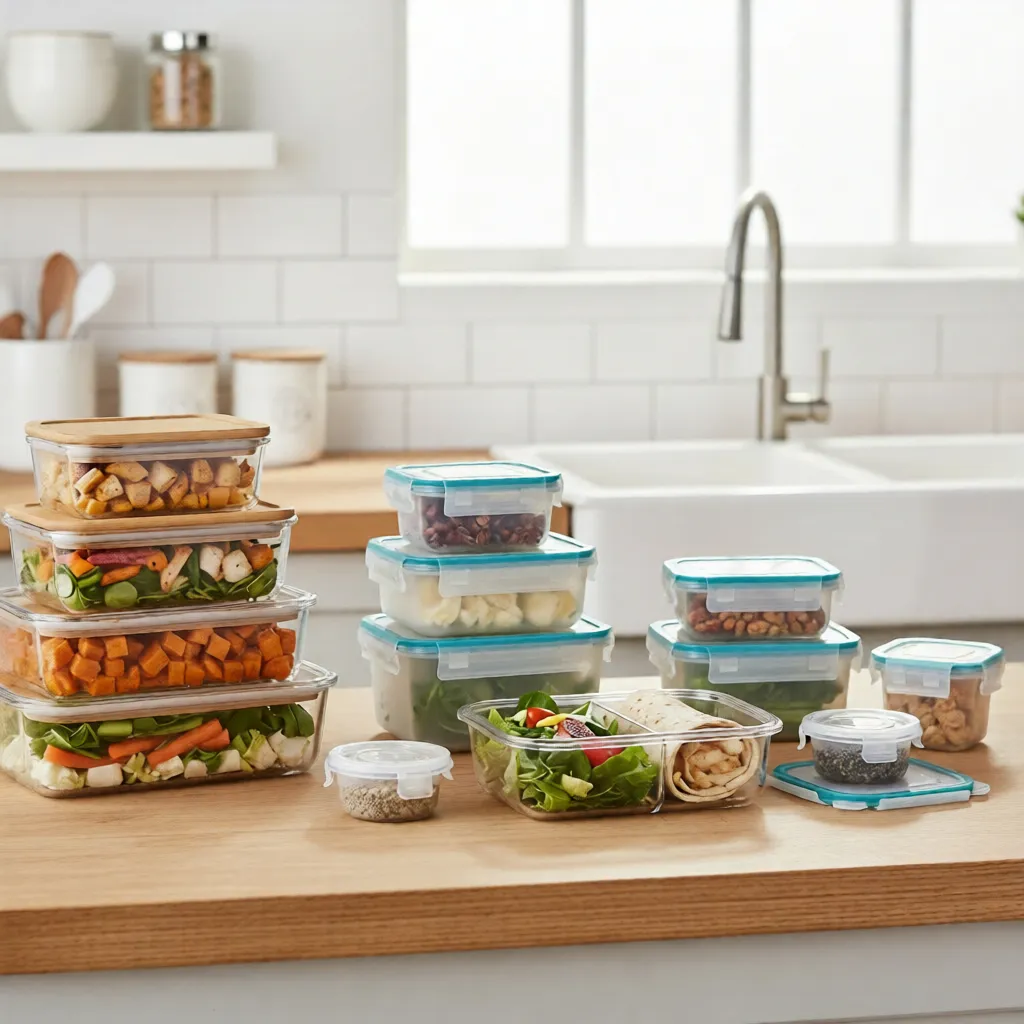
Reusable food containers have become essential in modern kitchens, especially for people who batch-cook, store leftovers, or pack daily lunches. A well-chosen set of containers can keep food fresher for longer, reduce waste, and make the fridge or freezer look organized instead of chaotic. For readers visiting Alex Top Finds, understanding the differences between various container materials, shapes, sizes, and lids helps them avoid random purchases and build a practical, long-lasting collection that truly supports their daily routine. This guide focuses on everyday, family-friendly options that are easy to clean, safe for regular use, and suitable for homes, students, and working professionals who want simple, reliable storage rather than trendy but impractical gadgets.
Why Good Food Containers Matter
Many homes have mismatched containers with missing lids, stained surfaces, or awkward shapes that do not stack well. This creates clutter in cabinets and confusion when trying to store or find leftovers after meals. Investing in a basic, coordinated set of reusable containers saves time, prevents food from getting lost at the back of the fridge, and encourages better meal planning because it becomes easier to prep and store portions in advance.
Glass vs Plastic: Which Is Better for You?
Both glass and plastic containers have advantages, and the best choice often depends on how and where they will be used.
- Glass containers are usually heavier but feel sturdy, resist staining, and can often go from fridge to microwave or oven if the manufacturer allows it. They are ideal for home storage, reheating, and for people who like to see the contents clearly at a glance.
- Plastic containers are lighter, more portable, and often safer for children to handle because they do not break easily if dropped. They are useful for carrying lunches, snacks, and small portions, especially when commuting or travelling.
When choosing between them, consider where you will use them most: at home, at work, in school bags, or during daily commutes. Many households find a mix of both types works best.
Features to Look For in Everyday Containers
Instead of focusing only on design or brand, it helps to check a few practical features that directly affect daily use:
- Leak-resistant lids: Tight-fitting lids with good seals reduce the risk of spills in bags and keep soups, gravies, and curries contained.
- Stackable shapes: Rectangular or square containers usually stack more efficiently in the fridge and freezer than unusual shapes.
- Clear bodies or lids: Transparent parts make it easier to see what is inside without opening every container.
- Easy-to-open design: Lids that are too tight can be frustrating, especially for children or older family members.
These small details make the difference between containers that are used every day and those that stay at the back of a cupboard.
Best Containers for Meal Prep Portions
People who plan meals for the week often prefer containers that can hold single portions of dishes like rice, vegetables, salads, or curries. Choosing containers of similar size helps with portion control and makes stacking simpler in the fridge. Some meal prep containers come with divided sections, which keep different foods separate until it is time to eat, making them helpful for packed lunches or ready-to-heat dinners.
Containers for Leftovers and Family-Style Storage
Leftovers from dinner rarely come in standard quantities, so it is useful to have a few larger containers alongside smaller ones. Medium to large containers work well for storing cooked vegetables, curries, gravies, pasta, and rice for the next day. Shallow, wide containers are good for items like cut fruits, salads, or marinated ingredients because they allow even spreading and easier access.
Choosing Containers for Freezer Use
Not all containers are suitable for freezing, so always check the product guidance before using them in the freezer. Containers meant for freezer use should handle low temperatures without cracking and provide enough space at the top for food to expand slightly as it freezes. Label-friendly surfaces or designated label areas are helpful for writing dates and contents, so you do not forget what is inside or how long it has been stored.
Microwave and Oven Considerations
Many people use food containers directly in microwaves to reheat leftovers or prepped meals. When doing this, it is important to follow the instructions provided with the container about microwave or oven use. Glass containers with suitable lids are often preferred for oven reheating, while microwave-friendly plastic is commonly used for reheating only, not high-temperature baking. Venting the lid slightly or using lids designed with steam vents can help reduce pressure build-up during heating.
Space-Saving Sets for Small Kitchens
In small kitchens, storage space for containers themselves is often limited. Nesting sets, where smaller containers fit inside larger ones, keep cabinets neat and reduce the feeling of clutter. Sets with uniform lids that fit multiple base sizes also make it easier to manage, because you do not have to search for a specific matching lid every time.
Easy-to-Clean Designs
Containers that are difficult to clean are less likely to be used regularly. Smooth interior surfaces, rounded corners, and detachable seals in lids make it easier to wash away food residue. Containers that can be cleaned with standard dishwashing tools, and that dry quickly without trapping water in hidden areas, are more hygienic for daily use.
Ideal Sizes to Start With
When building or upgrading a collection, starting with a balanced mix of sizes is more practical than buying many duplicates of a single size:
- Small containers: Ideal for chutneys, dips, salad dressings, nuts, and small snacks.
- Medium containers: Suitable for individual meal portions or leftover vegetables, curries, and rice.
- Large containers: Best for family-sized leftovers, mixed dishes, or storing cut fruits and prepared ingredients.
This mix gives enough flexibility for both meal prep and leftovers without overfilling the fridge.
Tips to Keep Containers Organized
A good container setup also depends on how they are stored when not in use. Keeping all bases stacked by size in one section and all lids in another dedicated box or vertical rack prevents the usual mess of mismatched pieces. Regularly checking and donating or recycling old, damaged, or unused pieces helps maintain a tidy cabinet and ensures that the containers you see are the ones you actually like and use.
Making the Most of Reusable Containers
Reusable containers are more than simple storage; they support better planning, healthier eating habits, and a more organized kitchen routine. By choosing safe, practical materials, suitable sizes, and easy-to-clean designs, households can reduce food waste and make cooking and cleanup more manageable. For Alex Top Finds, focusing on such clear, actionable advice ensures that visitors leave with ideas they can apply immediately, strengthening trust and engagement with the site.